
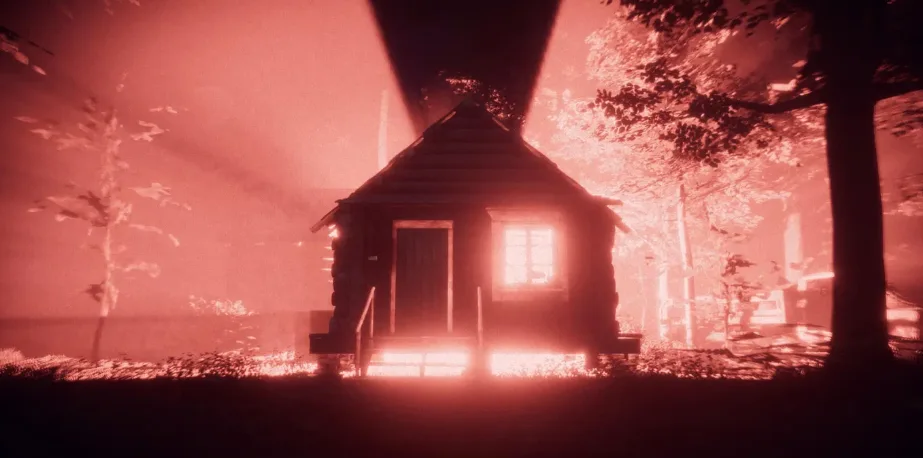
The indie horror scene continues to evolve in unexpected ways, and Project Songbird is one of the latest titles quietly gaining attention. While it may not have the marketing power of AAA releases, this psychological horror experience is quickly becoming a favorite among players who enjoy narrative-driven games with artistic depth.
In a market saturated with jump-scare-heavy horror titles, Project Songbird stands out by focusing on atmosphere, storytelling, and emotional tension rather than cheap thrills.
What Is Project Songbird?
Project Songbird is a narrative-focused indie horror game that blends exploration, puzzle-solving, and stealth mechanics. Players take on the role of a creator navigating a haunting environment shaped by memory, guilt, and artistic obsession.
Rather than relying on traditional horror tropes, the game builds tension through sound design, visual distortion, and subtle environmental storytelling. This approach makes it particularly appealing to fans of psychological horror rather than action-heavy survival games.
Gameplay and Core Mechanics
At its core, Project Songbird revolves around three main gameplay pillars:
Exploration
Players move through carefully designed environments filled with hidden clues and symbolic elements. Every room contributes to the overarching narrative, encouraging players to pay attention to detail.
Puzzle Solving
The puzzles are integrated into the story, often requiring players to interpret audio cues, visual patterns, or fragmented memories. This keeps the gameplay immersive rather than disruptive.
Stealth and Survival
Instead of combat, players must avoid threats using stealth mechanics. This design choice reinforces the feeling of vulnerability and keeps tension consistently high.
What Makes Project Songbird Unique?
What truly sets Project Songbird apart is its music-driven narrative system. Sound is not just background atmosphere—it plays a central role in storytelling and gameplay.
Audio cues can:
- Reveal hidden paths
- Trigger memories
- Alter the environment
This creates a layered experience where players are constantly interpreting what they hear, not just what they see.
Additionally, the game explores themes like:
- The cost of creativity
- Emotional isolation
- The blurred line between art and obsession
These themes give the game a depth rarely seen in smaller indie titles.
Is Project Songbird Worth Playing?
If you enjoy slow-burn horror experiences, the answer is yes.
Project Songbird is not designed for players looking for fast-paced action or constant jump scares. Instead, it rewards patience and curiosity. The pacing is deliberate, and the narrative unfolds gradually, making it ideal for players who appreciate atmospheric storytelling.
For indie fans, this is exactly the kind of hidden gem that often becomes a cult favorite.
Final Verdict
Project Songbird may not dominate mainstream headlines, but it represents everything that makes indie horror exciting in 2026. Its focus on audio-driven storytelling, psychological depth, and immersive design makes it a standout title worth paying attention to.
If you’re looking for something different from the usual horror formula, this is one game you shouldn’t overlook.
Should You Play It in 2026?
Absolutely—especially if you’re searching for a fresh horror experience that prioritizes meaning over spectacle.
As more players discover Project Songbird, it has strong potential to grow into one of the most talked-about indie horror games of the year.
(Image Credit: steam)